
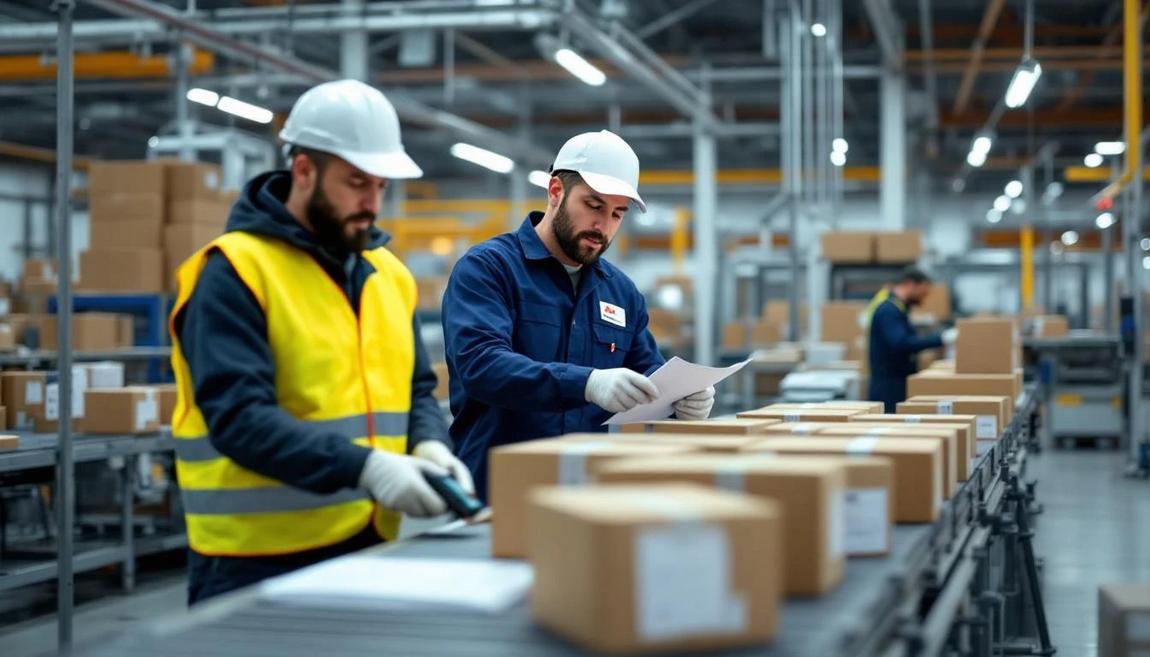
In today’s industrial context, the pressure to continually improve production line performance is immense. The concept of Overall Equipment Effectiveness (OEE) is at the heart of these challenges, offering a key indicator for measuring the efficiency of your resources. Insufficient
One of the main causes of poor OEE performance is a lack of rigorous monitoring of downtime and quality defects. These factors have a direct impact on equipment availability, performance and end-product quality. Inefficiencies such as extended cycle times or frequent failures also undermine productivity and increase production costs. Ignoring these problems can lead to significant financial losses and delays in delivery times.
To counter these challenges, several levers can be activated. Firstly, the digitization of the shop floor, using tools such as those offered by TeepTrak, enables real-time monitoring and enhanced management of performance indicators. At the same time, the application of continuous improvement methodologies such as Lean Manufacturing enables waste to be identified and eliminated. Finally, regular monitoring of OEE is crucial, and an OEE solution that offers complete visibility of production lines is essential.
Consider the example of an automotive components plant that was suffering from frequent breakdowns and an OEE rate below 60%. After integrating TeepTrak’s tracking system, the plant was able to identify the main causes of its inefficiencies, such as unplanned machine stoppages and inefficient maintenance cycles. By adopting continuous improvement practices, coupled with real-time analysis of production data, the plant increased its OEE to 75% in just six months.
It is essential for industrial decision-makers to focus on continuous TRS/OEE improvement to secure plant performance. By investing in measurement and analysis solutions, such as those from TeepTrak, companies can not only identify bottlenecks, but also drive the necessary improvements. A well-structured OEE project can boost productivity, reduce costs and improve quality, ensuring a sustainable competitive advantage.
FAQ
Question 1: How does OEE impact industrial performance?
OEE measures production efficiency, directly influencing productivity and competitiveness. Low OEE means inefficiencies that need to be corrected to optimize performance.
Question 2: Where do you start to improve TRS/OEE?
Start by accurately measuring your current OEE. Identify the causes of lost time and quality. Use digital solutions for real-time monitoring and apply continuous improvement methods.
Question 3: What benefits can you expect from a well-structured OEE project?
A successful OEE project can result in a significant increase in productivity, a reduction in operating costs and an improvement in quality, thus ensuring a competitive edge.
0 Comments